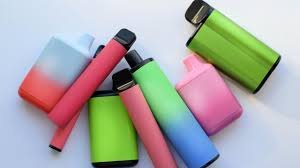
Disposable vapes are everywhere now—stores, online shops, even in people’s pockets who once swore they’d “never touch a vape.” But the real question is: Are disposable vapes actually safe? Let’s break it down honestly, without hype and without pretending everything is perfect.
What Makes Disposable Vapes Different?
Disposable vapes come pre-filled, pre-charged, and ready to use.
No refilling, no coil changing, no maintenance. That simplicity is a big reason people choose them over traditional cigarettes and even over advanced vape devices.
But convenience doesn’t automatically mean safety—so let’s look deeper.
1. No Combustion = Less Harm
Traditional cigarettes burn tobacco. That burning creates tar, carbon monoxide, and thousands of toxic chemicals.
Disposable vapes don’t burn anything—they heat liquid to create vapor.
This means:
-
No tar
-
No ash
-
No smoke
-
Lower exposure to harmful chemicals compared to cigarettes
Are they 100% safe? No. But they’re generally less harmful than smoking because you’re avoiding combustion.
2. Ingredients Matter a Lot
A typical disposable vape contains:
-
Nicotine (varies from 0% to high-strength levels)
-
Propylene glycol (PG)
-
Vegetable glycerin (VG)
-
Food-grade flavorings
These ingredients are commonly used in food, cosmetics, and medical products.
But again—inhaling them is different from eating them.
So yes, the ingredients are regulated in many countries, but safety depends on quality control and brand reputation.
3. Counterfeit Vapes Are a Real Danger
One of the biggest safety risks isn’t the vape—it’s the fake products that look like the original.
Fake vapes may contain:
-
Unknown chemicals
-
Unregulated nicotine levels
-
Dirty or low-quality liquid
-
Poor battery safety
If you’re buying disposable vapes, always choose:
-
Authorized retailers
-
Trusted brands
-
Verified packaging
Safety depends more on where you buy it than people admit.
4. Battery Safety: Better Than Mods, But Not Perfect
Disposable vapes come with sealed batteries.
Good news: you’re not swapping batteries, so the risk is lower.
Bad news: cheap fakes still exist.
To stay safe:
-
Avoid using a swollen or damaged device
-
Don’t leave it in extreme heat
-
Don’t charge disposables unless the brand officially supports it
Most disposables are not meant to be recharged—forcing it can be risky.
5. Nicotine Strength Needs Attention
High nicotine levels = strong throat hit + faster satisfaction
But also means:
-
Higher addiction potential
-
Harder withdrawal if you try to quit
This is why many users start too strong and then feel overwhelmed.
A safer approach:
Start low, increase only if needed.
6. Short-Term vs Long-Term Safety
Short-term studies show disposable vapes are less harmful than smoking.
Long-term research? Still limited. Vaping is newer, so science is catching up.
So let’s keep it honest:
-
Safer than smoking
-
Not harmless
-
Long-term effects still being studied
Anyone claiming “100% safe” is selling hype, not facts.
7. Who Should Avoid Disposable Vapes?
To be very clear, disposable vapes are NOT recommended for:
-
Teenagers
-
Pregnant women
-
People with severe lung conditions
-
Non-smokers
Vapes are designed as an alternative for adult smokers—not new users.
Final Verdict: Are Disposable Vapes Safe?
Safety is not black and white.
Disposable vapes sit in the middle:
Safer than traditional smoking but not risk-free.
They reduce exposure to harmful chemicals, offer controlled nicotine, and avoid combustion—but quality and usage habits matter a lot.